Broken links occur when a page, image, file, or resource can no longer be reached through the URL being referenced. When a visitor clicks the link, they may see a 404 error page, a server error, or another message indicating the content is unavailable.
Broken links can appear anywhere on a website. They may be found in navigation menus, blog articles, service pages, landing pages, image files, downloadable resources, or links pointing to external websites.
Although a few broken links may seem harmless, they can create frustration for visitors, interrupt the customer journey, and make it harder for search engines to crawl a website efficiently. For local businesses, broken links can lead to missed leads, reduced trust, and lost opportunities if potential customers cannot find the information they were expecting.
In local Search Engine Marketing, the value of broken links is not limited to rankings. It can affect how people discover a business, how confident they feel after landing on the website, and whether they take the next step. That next step might be a phone call, a quote request, a booking, a store visit, or a return visit later in the buying process.
How Broken Links Happen
Broken links are usually caused by website changes. Common causes include:
- Deleting pages without creating redirects
- Changing URL structures during a redesign
- Moving content to a new location
- Renaming files or images
- Linking to external websites that no longer exist
- Website migrations performed incorrectly
For example, a roofing company might redesign its website and change a service page URL from MyRoofingCompany.com/roof-repair/ to MyRoofingCompany.com/residential-roof-repair/. If old articles, Google listings, or backlinks still point to the original URL, visitors may encounter an error page unless a redirect is put in place.
This example matters because local customers rarely move in a perfectly straight line. They may start with a broad question, compare several businesses, check reviews, visit a service page, return later from a phone, and only then contact the business.
A business that understands how broken links work can build pages and tracking systems that support that full journey instead of only chasing one keyword or one ranking position.
Why the Broken Links Matters in SEM
For local business owners, the question is not only, “Do we show up on Google?” A better question is, “Are we showing up for the right searches, sending people to the right page, giving them enough confidence, and tracking whether the visit turned into a real opportunity?”
Once you learn what broken links are and how they work, you can get them to “work for you”. Broken Links handled properly can make your website more than just an online brochure. It becomes part of your sales process.
Imagine that an owner of a home renovation company changes old URLs after redesigning their website. Several blog posts now point to 404 pages, causing visitors and search engines to hit dead ends. What do you think they’re going to do? That’s right – Move On.
How Broken Links Impact a Business
Having a few broken links on websites can just be a nuisance sometimes. And sometimes can can have a negative affect on the bottom line. It can affect both user experience and search performance. When visitors encounter dead pages, they may leave the website immediately rather than continue looking for information. This can reduce engagement, increase abandonment, and potentially cost the business leads.
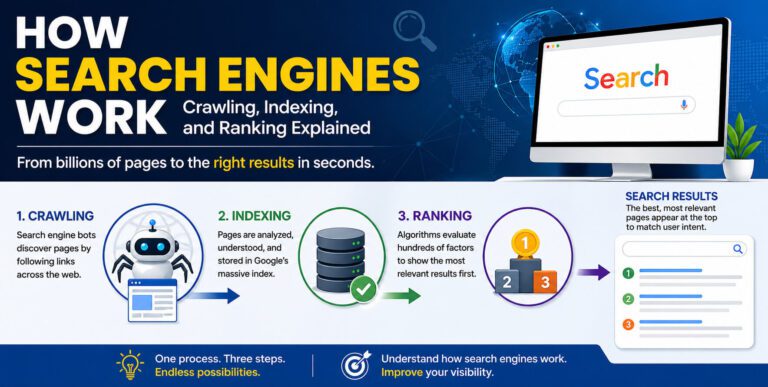
Links not only serve users, but Search Engines as well. Search engines use links to discover and understand website content. Large numbers of broken links can make crawling less efficient and may signal poor site maintenance. For local businesses, broken links often appear after website gets redesigned. There could be service changes done, promotions get deleted, or blog blog content becomes outdated. Regular maintenance helps prevent these issues from accumulating over time.
Ever hear of the term the “weakest link in the chain”. Once that link breaks, the chain just falls to the ground. Now combine that with the fact that Search Engine Marketing is a Performance System. You’re always trying to make it better, to work for you more and more. SEO, Pay Per Click marketing, local listings, content, reviews, landing pages, and analytics all work together. If one part of the system is weak, the business may lose visibility, waste ad spend, or fail to convert visitors who were already interested.
For example, a local business might pay for Google Ads but send visitors to a slow page with unclear messaging. Another business might publish helpful articles but forget to link those articles to service pages. Another may rank well but have no lead tracking in place, making it impossible to know whether the ranking is producing revenue. In each case, the business is missing part of the SEM chain.
It helps connect search strategy to practical decisions a business owner can act on. Instead of guessing, the owner can identify what needs improvement, decide what should be fixed first, and measure whether the fix produced a better result or not. Speaking of which. . .
How to Use/Improve Broken Links
The best way to improve broken links is to start with the customer journey. Look at it your business from your customer’s point of view. Look at what people need before they contact your business. Then compare that journey against your current website, your search listings, your analytics, and your lead tracking. The gaps usually become obvious when the business reviews the process from the customer’s perspective.
- Run regular link checks.
- Fix internal links directly.
- Use redirects for moved pages.
- Update old articles after restructuring URLs.
- Monitor 404 reports.
After the first review, prioritize improvements that affect revenue most directly. Service pages, calls to action, mobile usability, internal links, and lead tracking often deserve attention before cosmetic design changes. A beautiful website that does not explain the service, build trust, or generate leads is still under-performing.
It also helps to review performance every month. Search behavior changes, competitors update their pages, Google changes how results are displayed, and customer expectations evolve. A local business does not need to obsess over data every day, but it should have a simple routine for reviewing the pages, queries, and lead sources that matter most.
Common Mistakes to Avoid
Most mistakes happen when businesses treat broken links as an isolated task instead of part of a connected system. A page can be optimized for search but weak for conversions. A campaign can generate leads but fail to track which leads became customers. A website can have plenty of content but no internal structure that helps Google or visitors understand what is most important.
- Redirecting everything to the homepage.
- Ignoring old blog posts.
- Deleting pages without a plan.
- Leaving external broken links in content.
- Failing to test navigation after changes.
Another common mistake is copying what larger competitors do without considering local intent. A small business does not always need a massive website. It needs clear pages, useful answers, trustworthy proof, accurate business information, and a logical path from search to contact. In many local markets, that level of clarity is enough to outperform businesses that have bigger budgets but weaker execution.
Pro Tip or Tips (strategy insight)
Use broken links as a diagnostic clue, not just a definition.
- If traffic is rising but leads are flat –> look for conversion and tracking problems.
- If impressions are rising but clicks are weak –> review titles, meta descriptions, search intent, and page positioning.
- If leads are coming in but revenue is low –> review lead quality, close rate, and offer alignment.
The strategic move is to connect broken links to a measurable business outcome. That outcome may be more phone calls, better quote requests, lower cost per lead, stronger organic traffic, or higher ROI. Once the outcome is clear, the business can stop making random website changes and start improving the parts of the system that actually matter.
FAQ Section
Is broken links only important for SEO?
No. It can affect SEO, PPC, local search visibility, website conversions, and lead quality. For local businesses, the best results usually come when search visibility and conversion strategy are improved together.
How often should a business review broken links?
A basic review once per month is usually enough for most small local businesses. More active campaigns, paid ads, new service launches, or major website changes may require more frequent checks.
Can a beginner improve this without hiring an agency?
Yes. A beginner can usually make meaningful improvements by using a checklist, reviewing important pages, checking Search Console or Analytics data, and fixing obvious friction points. More advanced issues may require professional help, but the first layer of improvement is often very practical.
Related Glossary Terms:
Internal Linking
Indexing
Google Search Console
XML Sitemap
Local SEO Audit