Why Search Marketing Works for Local Businesses
Not all website traffic is equal. Some visitors are casually browsing, while others are actively looking for a solution. Search marketing works because it connects businesses with people who are already searching for help.
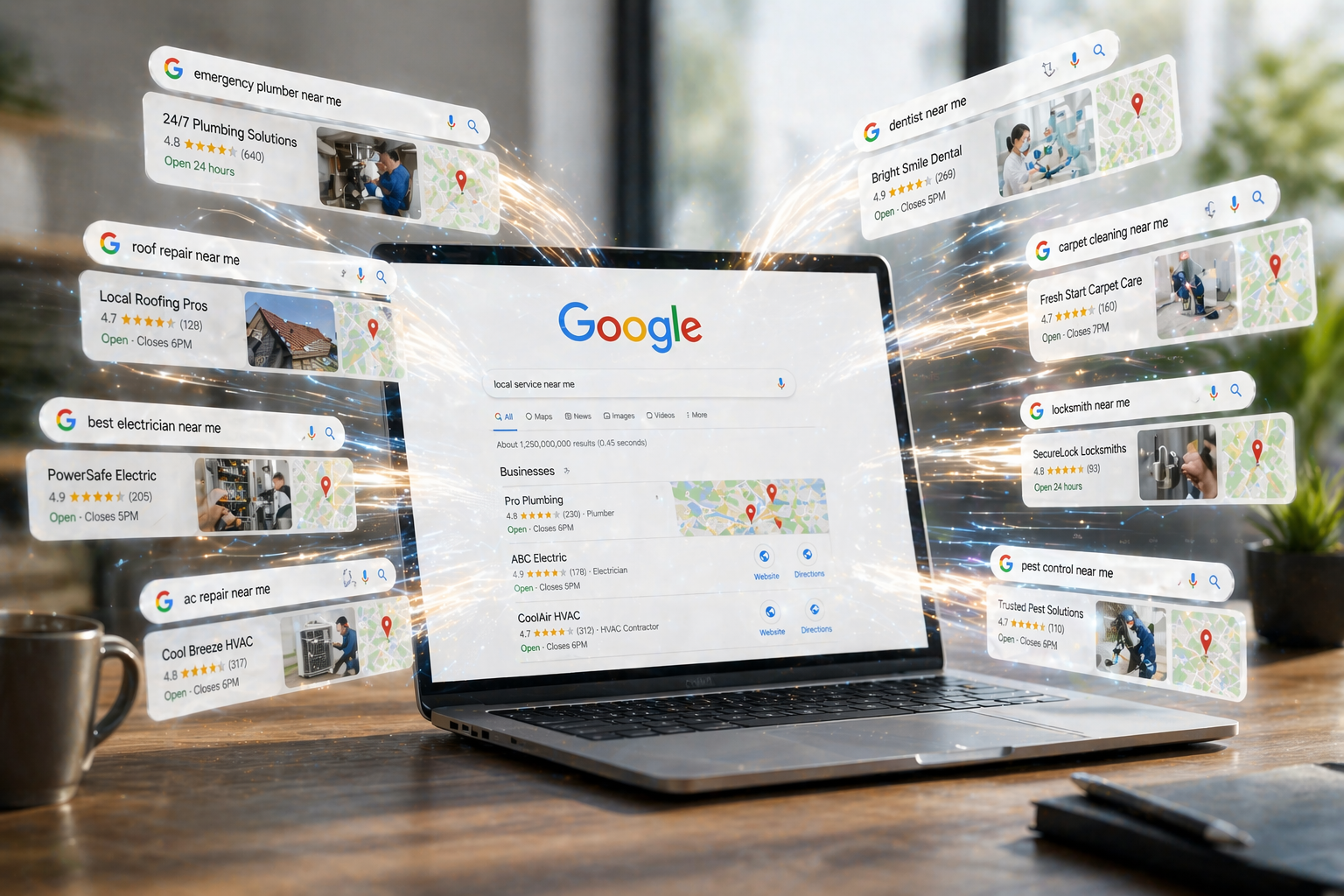
When someone types a query into Google, they are usually trying to solve a problem, find a service, or make a decision. This creates a unique situation where businesses are not interrupting potential customers with advertising. Instead, they are meeting those customers at the exact moment of need.
For local businesses, this difference is critical. It explains why search traffic often leads to more calls, more inquiries, and more paying customers than many other types of marketing.
The Difference Between Passive and Active Audiences
Many forms of marketing rely on reaching people who are not actively looking for a service. Social media, display ads, and traditional advertising often place messages in front of users who may not be ready to take action.
In contrast, search marketing reaches people who are actively seeking information or services. These individuals have already identified a need. They are further along in the decision-making process, which makes them more likely to convert into customers.
This difference between passive and active audiences is one of the main reasons search marketing performs so well. When a person initiates a search, they are effectively raising their hand and saying they need help.
Why Search Traffic Converts at Higher Rates
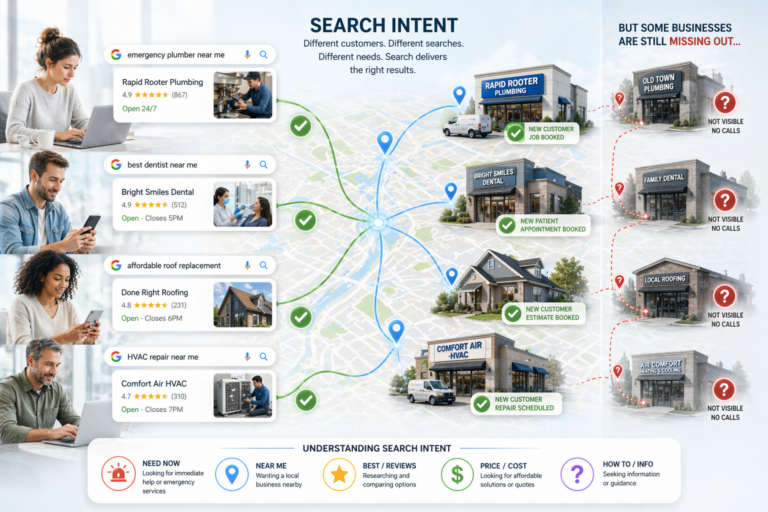
Search traffic tends to convert better because it is driven by intent. When someone searches for a service, they often have a specific goal in mind. This goal could be to gather information, compare options, or contact a provider.
The closer a person is to making a decision, the more valuable that search becomes. A general search may lead to learning, while a more specific search may lead directly to action.
For example, a person researching general home maintenance may not be ready to hire a contractor. However, a person searching for an urgent repair service is likely ready to contact a business immediately.
Because search traffic reflects real intent, it often results in higher quality leads compared to traffic from sources where users are not actively searching.
Local Businesses Benefit From Immediate Demand
Local services are often tied to immediate or practical needs. When something breaks, stops working, or requires attention, people turn to search engines to find help quickly.
This creates a strong connection between search behavior and real-world demand. People searching for local services are often looking for solutions within their area and within a short timeframe.
For businesses, this means that appearing in search results can lead directly to phone calls, appointment bookings, and service requests. The timing of these searches is what makes them especially valuable.
Unlike broader forms of advertising, search marketing focuses on capturing demand that already exists.
Search Marketing Is Based on Intent, Not Interruption
Traditional advertising interrupts people while they are doing something else. A television commercial or banner ad appears whether or not the viewer is interested in the message.
Search marketing works differently. It is based on responding to a user’s request rather than interrupting their attention. This creates a more natural interaction between the customer and the business.
Because the user initiated the search, they are more open to receiving information. This often leads to better engagement and a higher likelihood of taking action.
This approach is sometimes referred to as intent-based marketing. It aligns the business message with the user’s immediate needs, making it more relevant and effective.
The Role of Trust in Search Results
When users see search results, they are presented with multiple options. Choosing which result to click involves a level of trust. People tend to select results that appear credible, relevant, and professional.
Trust can be influenced by several factors, including how the listing is presented and what the user expects to find. A clear and relevant title can signal that the page is a good match for the search. A well-written description can reinforce that impression.
Once a user clicks through, the website itself plays a role in building confidence. A clear layout, helpful information, and easy navigation all contribute to whether a visitor feels comfortable contacting the business.
Over time, businesses that consistently provide useful information and a positive experience tend to earn more trust, which can improve both click rates and conversions.
Why Search Marketing Feels More Predictable
One of the advantages of search marketing is that it can become more predictable over time. While no marketing method is completely guaranteed, search behavior follows patterns that can be observed and measured.
People tend to search for similar services using similar phrases. This allows businesses to identify common search terms and create content around them. As visibility improves, traffic can become more consistent.
Unlike marketing methods that depend heavily on trends or audience behavior changes, search marketing is tied to ongoing demand. As long as people continue to need services, they will continue to search for them.
This makes search marketing a more stable long-term strategy compared to channels that rely on attention rather than intent.
Comparing Search Marketing to Other Channels
To better understand why search marketing works, it helps to compare it with other common approaches.
Social media platforms are effective for building awareness and engagement, but users are typically browsing rather than searching. This means they may not be ready to take action at the time they see an ad or post.
Traditional advertising methods such as print, radio, and television can reach large audiences, but they often lack precision. Many people exposed to the message may have no immediate need for the service being offered.
Search marketing focuses on relevance rather than reach. Instead of trying to reach as many people as possible, it aims to reach the right people at the right time.
This focus on timing and intent is what gives search marketing its advantage.
Long-Term Benefits for Local Businesses
Over time, search marketing can become a valuable asset for a business. As content is created and optimized, more search terms can begin to generate traffic. This can lead to a steady flow of visitors without requiring constant advertising spend.
As trust builds and visibility improves, businesses may find that they rely less on short-term marketing tactics. Instead, they benefit from a foundation that continues to generate leads over time.
This long-term approach does not eliminate the need for other marketing methods, but it can reduce dependency on them. It also allows businesses to build a stronger online presence that supports growth.
A Practical Example
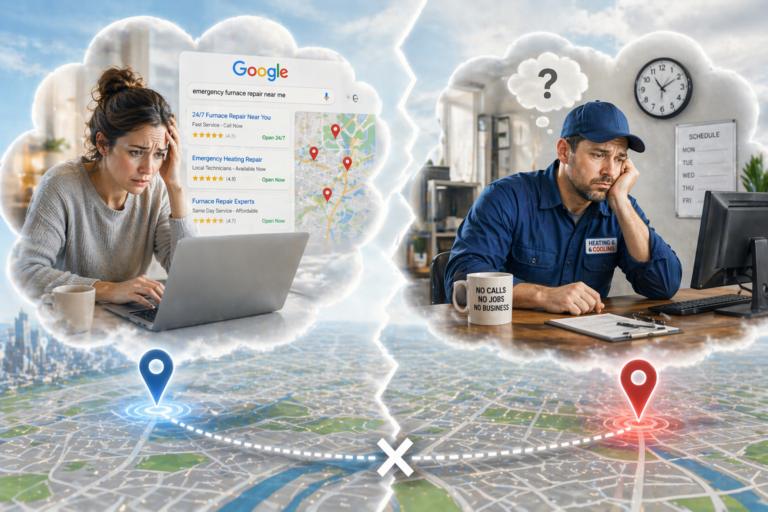
Consider a local heating and cooling company. During certain times of the year, demand for services increases as people experience issues with their systems. When problems arise, customers often search for help immediately.
A business that appears in search results during these moments has a strong opportunity to capture that demand. If the website clearly explains services and provides easy contact options, the visitor is more likely to reach out.
This simple interaction demonstrates how search marketing connects real-world problems with real-world solutions.
Key Takeaways
Search marketing works because it connects businesses with people who are actively looking for help. This creates a more direct path from search to customer.
Unlike many other forms of marketing, search is based on intent rather than interruption. Users initiate the process, which makes them more receptive to relevant information.
For local businesses, this results in higher quality traffic, more consistent leads, and a marketing approach that can improve over time.
FAQ
Search traffic converts better because users are actively looking for solutions. This increases the likelihood that they will take action.
Search marketing and social media serve different purposes. Search is typically more effective for capturing immediate demand, while social media is often used for awareness and engagement.
Most local businesses can benefit because customers frequently use search engines to find nearby services.
Next Article In This Series: The Search Marketing Process Explained